
Australia vs South Africa showcase contrasting linguistic diversity—Aboriginal languages vs Niger-Congo Bantu languages—shaped by distinct historical journeys. Their cultural expressions range from storytelling to music genres, reflecting unique culinary traditions and artistic differences. Governance structures vary between constitutional monarchy and democratic republic. Language influences regional variations, impacting education and economic development. Digital age communication highlights language preservation challenges and the importance of mutual understanding for robust relationships.
The evolution and divergence of languages are pivotal to understanding cultural identity and historical narratives. When examining Australia vs South Africa naturally, one encounters a fascinating linguistic landscape shaped by unique geographical, social, and political factors. Despite shared colonial histories, these nations’ languages have carved distinct paths, reflecting their diverse indigenous languages, European influences, and the complex interplay of migration and multiculturalism. This article delves into the key differences and evolving dynamics between Australian and South African languages, offering valuable insights for linguists, researchers, and anyone intrigued by the natural evolution of communication.
- Uncovering Unique Language Families: Australia vs South Africa
- Historical Influences Shaping Their Evolutions
- Vocabulary Comparisons: A Cultural Lens
- Grammatical Structures: Australian and South African Differences
- Digital Age Impacts: Communication Across Borders
Uncovering Unique Language Families: Australia vs South Africa

The linguistic landscape of Australia and South Africa presents a fascinating contrast, shaped by their distinct historical trajectories and cultural identities. Uncovering the unique language families that define these nations provides insight into how their stories have influenced the evolution of speech and expression. While both countries have indigenous languages that predate colonization, Australia’s primary language family is Aboriginal Australian Languages, belonging to the Austral-Melanesian group, whereas South Africa is home to a diverse array of Bantu languages within the Niger-Congo family.
Delving deeper into their cultural expressions, Australia and South Africa showcase distinct themes and influences in literature, music, and dance. Australian Aboriginal storytelling traditions emphasize dreamtime narratives, connecting land and spirituality, while South African literature reflects the struggle against apartheid through powerful voices like Nadine Gordimer and Athol Fugard. Music-wise, both nations have vibrant scenes; Australia embraces didgeridoo-driven indigenous sounds and contemporary pop, whereas South Africa boasts a rich tapestry of genres, from traditional isicathamiya singing to modern Kwaito beats. Dance in Australia includes the iconic boomerangs and storyboards of the Aboriginal people, while South African dance showcases Zulu and other tribal styles that have globally influenced contemporary choreography.
When considering popular sports, Australia’s affinity for cricket and surfing speaks volumes about its maritime culture and outdoor lifestyle. In contrast, rugby holds a special place in the hearts of many South Africans, reflecting deep-rooted passion and national pride. These cultural differences also manifest in their mining industries, with Australia renowned for its iron ore, coal, and gold mines, while South Africa excels in platinum, diamonds, and other precious metals. Comparing economic growth rates, give us a call at [comparing economic growth rates of Australia and South Africa], reveals that both nations have made significant strides, though each has unique drivers behind their success.
Historical Influences Shaping Their Evolutions

The evolution of languages in Australia and South Africa is a fascinating tale shaped by their unique historical influences. These nations, separated by vast distances yet linked by colonial legacies, have developed distinct linguistic landscapes. Australia’s indigenous languages, with their diverse branches, have been influenced by the arrival of British settlers, resulting in a blend of Aboriginal words and English dialects known as Australian English. This fusion has created a vibrant, unique voice that reflects the country’s multicultural identity. In contrast, South Africa’s linguistic diversity is a direct result of its complex history, marked by colonial rule, migration, and indigenous cultures. The country boasts eleven official languages, including English, Afrikaans, and several African languages like Zulu, Xhosa, and Sotho, each carrying the imprint of its respective cultural heritage.
A culinary journey through regional specialties can also offer insights into these nations’ evolutions. Australian cuisine has been influenced by a mix of British, Asian, and indigenous flavors, while South Africa’s dishes reflect its diverse population, featuring influences from Dutch, French, Indian, and native African cuisines. Similarly, exploring cultural rhythms—particularly in the realm of music—discloses intriguing parallels and differences. Indigenous Australian music, characterized by didgeridoos and corroborees, stands in contrast to South Africa’s vibrant jazz and traditional Zulu songs, each telling a story of resilience and cultural expression.
In terms of governance, Australia and South Africa have embarked on different paths. The Australian democracy operates as a constitutional monarchy, while South Africa’s political landscape is shaped by its post-apartheid transition to a democratic republic. These contrasting journeys are reflected in their educational structures—Australia’s state schools versus South Africa’s curriculum, with each system catering to its nation’s unique needs and values. Comparing these aspects provides a comprehensive view of how historical influences have naturally guided the evolution of Australia vs. South Africa, shaping their languages, cultures, and societies in distinct yet fascinating ways.
Vocabulary Comparisons: A Cultural Lens

The linguistic landscape of Australia and South Africa presents a fascinating study in contrast, offering valuable insights into how cultural identities shape language evolution. While both nations boast diverse linguistic features, their vocabularies reflect distinct historical, economic, and social factors. In Australia, the English lexicon has been influenced by its indigenous languages, as well as those brought in by multicultural immigrants, creating a unique blend of terms related to the vast natural landscape and modern urban life. For instance, words like “bush” and “mate” hold cultural significance, while loanwords from European and Asian languages highlight Australia’s diverse ethnic heritage.
In stark contrast, South Africa’s linguistic diversity is renowned globally, with eleven official languages, including English, Afrikaans, Zulu, Xhosa, Sotho, Tswana, Venda, Ndebele, Swazi, Tsonga, and Southern Sotho. This linguistic richness stems from the country’s complex history of colonization, migration, and ethnic groups’ interactions. Vocabulary in South Africa displays influences from European languages, particularly Dutch (which evolved into Afrikaans), as well as indigenous African languages. Words like “boer” (farmer) and “braai” (barbecue) reflect this blend. The country’s economic trajectory, heavily reliant on natural resources like gold and minerals, has also left its mark on the lexicon, with terms related to mining and commerce becoming part of everyday speech.
Analyzing these linguistic differences provides a cultural lens through which to understand each nation’s identity. Australia’s language reflects its vast, diverse landscape and multicultural society, while South Africa’s vocabulary is a testament to its complex history and ethnic heritage. For example, Cape Town’s thriving modern art scene mirrors the creative energy of Melbourne, but their vocabularies may differ due to regional influences. Visiting these countries offers an opportunity to immerse oneself in these unique linguistic tapestries, where every word tells a story of their respective economic growth rates and cultural evolution.
Grammatical Structures: Australian and South African Differences

The grammatical structures of Australian and South African languages reflect the diverse cultural landscapes these countries inhabit. While both nations boast unique linguistic features, they differ significantly in syntax, vocabulary, and pronunciation, offering a fascinating glimpse into their respective histories and identities. Australia’s languages, influenced by Indigenous traditions, often emphasize verb-centric structures, reflecting the country’s vast and varied terrain. In contrast, South Africa’s grammatical landscape is shaped by its multicultural heritage, resulting in a complex mix of African, Dutch, English, and other European languages, evident in its rich array of dialects and formal languages like Zulu, Xhosa, Afrikaans, and English.
One striking difference lies in the use of tense and aspect. Australian languages frequently employ verbal suffixes to indicate time, providing a nuanced view of actions and their relationship to the present. South African English, while sharing many features with British English, has its own quirks, such as the preference for past participle forms in certain constructions, which can be traced back to Dutch and Afrikaans influences. These linguistic nuances contribute to the distinct cityscapes of Sydney and Cape Town—the former known for its laid-back vibe and diverse cultural expressions, the latter for its vibrant mix of historic and modern influences—and shape the role of language in these urban centers’ artistic diversity and literary traditions.
The exploration of Australia’s mineral wealth and its impact on economies, tourism attractions, and cultural identity is a testament to how natural resources can drive development and influence a nation’s narrative. Similarly, South Africa’s rich tapestry of languages, reflecting its complex history, underpins its artistic and literary scenes, offering a celebration of diversity and influence that resonates globally. For those interested in delving into these fascinating linguistic and cultural dynamics, visiting us at [Exploring Mineral Wealth and Its Impact on Economies Tourism Attractions] can provide valuable insights and firsthand experiences.
Digital Age Impacts: Communication Across Borders
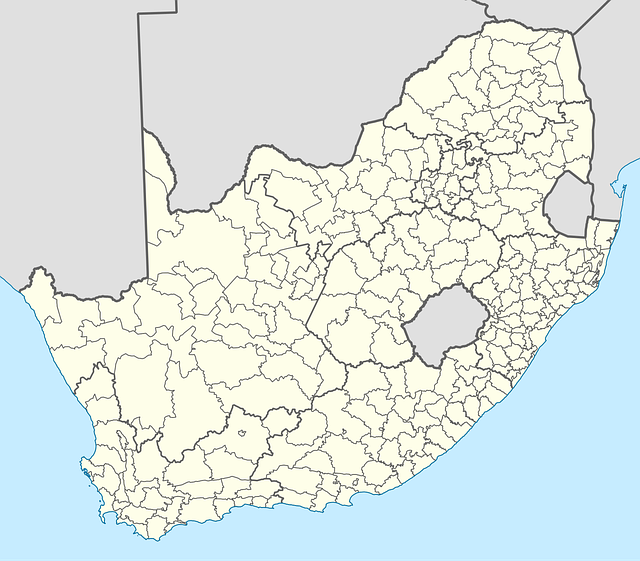
The digital age has profoundly impacted communication across borders, including those between Australia and South Africa, two nations with distinct linguistic landscapes. While both countries boast diverse languages and dialects, their evolution in the modern era presents unique challenges and opportunities. Australia’s primary language, English, is influenced by indigenous languages and a mix of European settlers’ dialects, resulting in a colloquialism that differs from British English. In contrast, South Africa’s linguistic diversity includes 11 official languages, reflecting its complex history of colonialism and cultural amalgamation. This vast linguistic spectrum, ranging from Afrikaans to Zulu, has been shaped by historical factors, including the country’s apartheid policies and subsequent democratic transition, which have deeply influenced social interactions and political structures.
Strategic alliances, such as those between Australia and the United States, often mirror language similarities, facilitating cross-border communication. Conversely, South Africa’s global relationships, particularly with its African neighbors, demand a more nuanced approach due to the diversity of languages spoken across the continent. Examining these linguistic differences within each country reveals how political structures and social inequality impact language retention and development. For instance, rural-urban interactions in Australia showcase variations in dialect and vocabulary, while South Africa’s urban centers have witnessed language shifts and code-switching among youth, reflecting changing social dynamics.
The study of contrasting social welfare systems offers further insight into these linguistic trends. Australia’s system, heavily influenced by British models, has resulted in a more uniform language policy, while South Africa’s diverse approach to social welfare mirrors its linguistic diversity. This divergence underscores the intricate relationship between language and societal structures. In light of these complexities, fostering cross-cultural understanding is paramount. Celebrating artistic diversity and examining literary traditions from both countries can provide valuable insights into how Australia vs. South Africa naturally navigate language differences in the digital age. As global communication continues to evolve, strategic investments in linguistic preservation and mutual understanding will be essential for fostering robust relationships between these two culturally rich nations.
The exploration of Australian and South African languages reveals a fascinating interplay of history, culture, and geography. Key insights include the distinct language families each nation possesses, with Australia’s indigenous languages and South Africa’s diverse colonial influences shaping their unique evolutions. Vocabulary comparisons highlight cultural nuances, while grammatical structures differ significantly, reflecting their independent paths. The digital age has both facilitated communication across borders and introduced new challenges, underscoring the need for ongoing linguistic adaptation. Understanding these distinctions offers valuable insights into the rich tapestry of human expression in australia vs south africa, encouraging further exploration and appreciation of linguistic diversity worldwide.