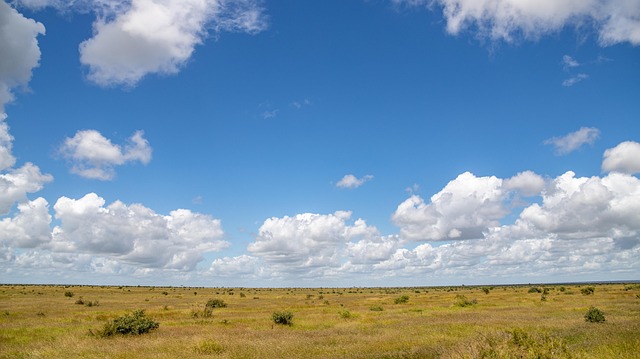
Australia and South Africa, with contrasting landscapes, offer unique cultural experiences shaped by mining, art, sports, and history. Their artistic expressions, from Aboriginal dot painting to Ndebele beading, reflect indigenous identities. Festivals, foodways, and community engagement dynamics further differentiate their cultural landscapes. Despite differences in policy, economic sectors, and historical contexts, both nations share rich artistic practices, with Australia focusing on nature and heritage, while South Africa explores post-apartheid societal transformation. Comparing Australia vs South Africa reveals complementary cultural narratives defining each nation.
Cultural practices are a rich tapestry woven into the fabric of societies worldwide, offering unique insights into community identity and history. When comparing Australia vs South Africa, these cultural threads become even more intriguing as each nation boasts diverse traditions shaped by distinct geographical features and historical narratives. This article delves into the heart of these differences, exploring how Australian and South African communities celebrate, commemorate, and interact, ultimately revealing a fascinating contrast that highlights the vibrancy of human expression across continents.
- Exploring Diverse Cultural Heritage: Australia vs South Africa
- Traditional Arts and Crafts: Unique Expressions in Each Country
- Festivals and Celebrations: A Living Culture Comparison
- Foodways: Uncovering Culinary Traditions Across Continents
- Community Engagement: Participation and Social Fabric Analysis
- Historical Contexts: Shaping Modern Cultural Practices
Exploring Diverse Cultural Heritage: Australia vs South Africa

Australia and South Africa, two nations with distinct geographical landscapes, possess equally unique cultural heritages that offer a rich tapestry for exploration. When delving into the diverse practices of these countries, several intriguing contrasts and similarities emerge. One notable aspect is the way mineral wealth has shaped their economies and tourism industries. Australia’s vast natural resources, including coal, iron ore, and gold, have fueled its economic growth, attracting tourists interested in mining sites and the unique geological features they create. Similarly, South Africa’s abundant mineral deposits, such as platinum, diamonds, and gold, have left an indelible mark on its economy and tourism sector, with destinations like Kimberley drawing visitors from around the globe.
The contrasting landscapes of these nations play a significant role in shaping their cultural identities. Australia boasts diverse terrains, from the rugged Outback to the vibrant coral reefs, inspiring unique art forms, literature, music, and dance that reflect its natural beauty. For instance, Aboriginal Australian art, with its distinct dot patterns, captures the essence of the land while narrating ancient stories. In contrast, South Africa’s landscape ranges from majestic mountains to vast vineyards, influencing artistic expressions that blend indigenous influences with global trends. Exploring these cultural aspects offers a window into the soul of each nation, revealing themes and influences that have shaped their artistic output, such as the vibrant music scenes in both countries where genres like Australian folk and South African Kwaito find their place alongside international styles.
Sport also provides an intriguing contrast between these two nations. Australia is renowned for its passion for cricket and surfing, with these activities deeply ingrained in its cultural fabric. The country’s diverse coastline offers world-class surf spots that attract surfers globally, while cricket enjoys widespread popularity as a national obsession. South Africa, on the other hand, has an unparalleled love for rugby, which transcends geographical boundaries and unites the nation during international tournaments. This sport’s history in South Africa dates back to the 19th century, making it an integral part of its cultural heritage. These contrasting sporting passions demonstrate how cultural practices can evolve alongside natural environments and economic factors, shaping unique identities within australia vs south africa.
By exploring these diverse cultural aspects, from mineral wealth attractions to artistic expressions, tourists can gain a deeper understanding of the complexities and richness that define these nations. Engaging with local communities, attending cultural events, and immersing oneself in their traditions offer valuable insights into the australian vs south african experience. Ultimately, uncovering these cultural practices fosters cross-cultural appreciation, enhances travel experiences, and encourages a more nuanced perspective on global diversity.
Traditional Arts and Crafts: Unique Expressions in Each Country

The traditional arts and crafts of Australia and South Africa offer a fascinating glimpse into their respective cultural identities. Each country boasts a unique blend of indigenous artistic expressions that have evolved over centuries, reflecting a celebration of artistic diversity and influence from literary traditions. In Australia, Aboriginal art forms like dot painting and bark carving are renowned globally for their distinct styles and symbolism. These ancient practices not only preserve stories and lore but also serve as powerful tools to foster cultural connections and combat societal disparities in remote communities (Visit us at a critical look at societal disparities and potential solutions language and communication). For instance, the Northern Territory’s indigenous art centers have become economic drivers while providing platforms for artists to share their narratives.
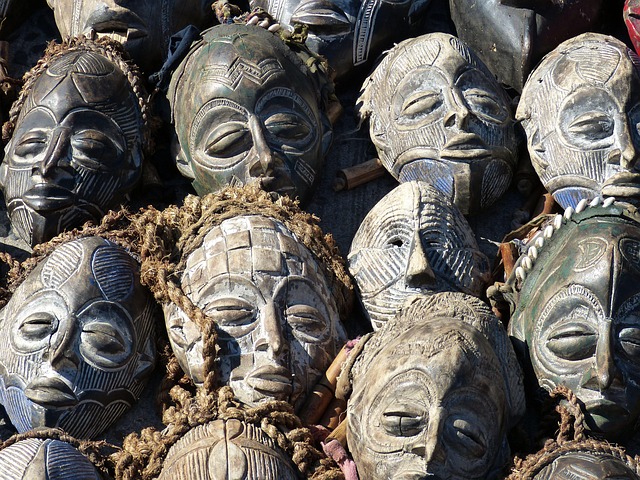
South Africa, with its rich historical tapestry, showcases diverse art forms that tell stories of resistance, reconciliation, and cultural fusion. Traditional crafts such as beading, known as ‘Ndebele’ art, are not merely aesthetic but carry deep symbolic meanings within specific communities. The intricate patterns adorning traditional clothing and home decor convey social status, family heritage, and even political messages (a critical look at societal disparities and potential solutions language and communication). These practices have also found new life in contemporary contexts, with artists pushing boundaries and attracting global attention for their unique perspectives.
When comparing Australia vs South Africa naturally, one observes a fascinating interplay of cultural influences shaped by history, geography, and social structures. While both nations prioritize the preservation of indigenous art forms, their approaches to public policy support differ significantly. Australia’s focus on land rights and cultural heritage protections has empowered indigenous communities to control and monetize their artistic traditions, fostering economic sustainability. South Africa, meanwhile, has implemented policies aimed at promoting cultural diversity through arts education and community-driven initiatives, encouraging a vibrant exchange of artistic ideas (a celebration of artistic diversity and influence literary traditions). This contrast highlights the potential for diverse cultural practices to thrive under tailored support systems.
Festivals and Celebrations: A Living Culture Comparison
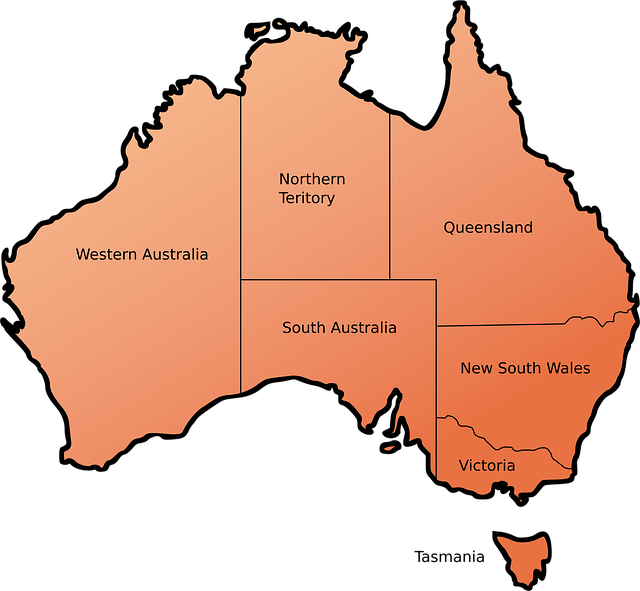
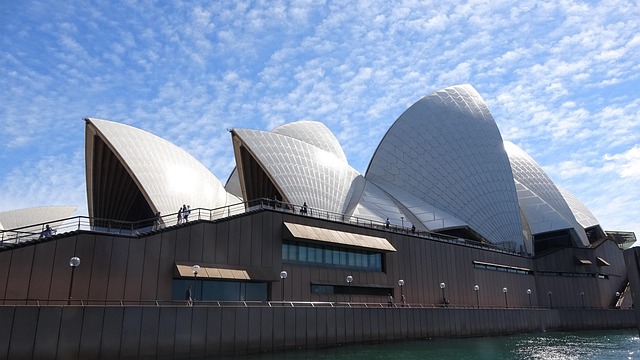
Australian and South African communities showcase distinct cultural practices when it comes to festivals and celebrations, offering a fascinating contrast that reveals rich histories and unique societal values. While both nations celebrate their diverse heritages through vibrant events, the nature of these gatherings differs significantly, reflecting broader cultural narratives. Australia’s festivals often emphasize its vast natural landscape, with events like the Sydney Festival celebrating the city’s iconic harbor while incorporating indigenous art and performances, giving us a call at Cultural Rhythms: Exploring Indigenous Music in Australia vs. South Africa. In contrast, South African celebrations are deeply intertwined with the nation’s complex history and struggle for freedom, as seen in events like the annual Cape Town International Arts Festival, which pays homage to the country’s diverse artistic voices and its journey towards democracy.
Evaluating international partnerships and economic development implications, these cultural festivals play a pivotal role in fostering cross-cultural understanding and tourism. For instance, South Africa’s rich tapestry of music and dance during celebrations like the National Arts Festival attracts global audiences, contributing significantly to the country’s creative economy. Similarly, Australia’s diverse culinary scene and its focus on indigenous food at events like the Melbourne Food and Wine Festival have international repercussions, attracting culinary enthusiasts worldwide. Furthermore, contrasting the natural wonders of these nations, Australian festivals often incorporate outdoor adventures and wildlife encounters, while South African celebrations are marked by a vibrant urban vibe, reflecting their respective environments.
As we look at emerging technologies and their impact on society, both countries utilize digital platforms to enhance festival experiences. Virtual reality offers immersive experiences during cultural events, allowing global participation in celebrations like the Adelaide Fringe Festival’s online performances. Similarly, South Africa leverages technology to preserve and share its rich heritage through interactive apps that provide insights into traditional practices. These innovations not only adapt festivals to modern times but also contribute to the preservation of cultural rhythms and traditions for future generations.
Foodways: Uncovering Culinary Traditions Across Continents
Foodways play a significant role in shaping cultural identities and offer unique insights into communities worldwide. When contrasting Australia and South Africa, two nations with distinct historical and geographical backgrounds, exploring their culinary traditions reveals fascinating differences and similarities. These foodways not only reflect the regions’ diverse populations but also address societal issues, including poverty and inequality, each country grapples with in its own way.
Australia’s cuisine is heavily influenced by its multicultural demographics, featuring a fusion of indigenous and migrant flavors. The mining industry has historically played a crucial role in shaping its economy and communities, leading to distinct regional culinary specialties. For instance, the robust and hearty dishes of the outback regions often incorporate locally sourced ingredients like bush tucker, reflecting the area’s harsh yet resilient environment. In contrast, South Africa boasts a rich culinary heritage stemming from its diverse ethnic groups, including African, European, Indian, and Malay influences. The country’s history of colonialism and migration has resulted in a vibrant mix of spices and cooking techniques that have become emblematic of its national identity.
A notable similarity between Australia and South Africa lies in their efforts to combat poverty and inequality through food initiatives. Both nations recognize the power of accessible and nutritious meals as a driver of well-being. In Australia, community gardens and food banks are springing up, especially in urban areas grappling with food insecurity. Similarly, South Africa has implemented programs like the Basic Income Grant, which provides financial support to vulnerable households, improving their access to food and overall quality of life.
Participating in a festival celebrating cultural heritage cuisine, such as those organized by community groups or culinary institutions, offers a unique opportunity to immerse oneself in the diverse culinary landscapes of Australia and South Africa. These events not only showcase traditional dishes but also foster intergenerational knowledge sharing and strengthen social bonds. By attending such festivals (give us a call at a festival of sounds and movements), one can gain firsthand experience of these foodways, connect with local communities, and support initiatives that preserve and promote culinary traditions while addressing societal challenges.
Community Engagement: Participation and Social Fabric Analysis
In exploring the cultural landscape of Australia versus South Africa, a critical lens shifts towards community engagement and its intricate role in shaping social fabrics uniquely across these nations. Both countries, with their diverse populations, exhibit varying levels of participation in community initiatives, reflecting distinct societal structures. Australia’s state schools, for instance, play a pivotal role in fostering community bonds, offering a comprehensive curriculum that encourages extracurricular involvement, thereby enhancing the overall educational experience (comparing educational structures: Australia’s state schools vs. South Africa’s curriculum). Conversely, South Africa’s vibrant mix of official languages – reflecting its rich cultural heritage – has led to robust bilingualism, impacting social interactions and community engagement strategies.
Delving deeper, we observe that technology’s emergence significantly influences how communities interact in both nations. Australia, with its robust digital infrastructure, leverages online platforms for community organizing and cultural exchange, fostering a digitally connected society. Similarly, South Africa, despite facing challenges in digital accessibility across regions, has seen a surge in tech-driven initiatives, particularly in urban centers, promoting community participation and cultural preservation. Comparatively, the impact of these emerging technologies on Australia vs. South Africa’s communities reveals adaptable strategies for enhancing social cohesion.
The economic picture further distinguishes these countries; South Africa, with its diverse economy, boasts notable growth rates, attracting global investment and fostering local entrepreneurship. In contrast, Australia’s robust mining sector and thriving services industry contribute to sustained economic expansion, each nation showcasing unique paths to prosperity. These divergent trajectories have implications for community development and engagement, shaping the social fabric distinctively in Australia vs. South Africa.
Historical Contexts: Shaping Modern Cultural Practices

The cultural landscapes of Australia and South Africa, two geographically distant nations, are as diverse as their environments, shaped by unique historical contexts that have, in turn, influenced their modern societal fabrics. Understanding these contexts offers a profound glimpse into the heart of each community, revealing how historical events, geopolitics, and cultural exchanges have contributed to the artistic expressions, sporting passions, and literary traditions that define them.
Australia’s history is marked by its colonial past and subsequent development as an independent nation, with indigenous communities playing a central role in shaping its cultural identity. The country’s vast landscapes and diverse ecosystems have inspired art movements like the Australian Impressionist period of the late 19th century, evident in the works of artists like Tom Roberts. Today, Melbourne, known for its progressive mindset, is a vibrant hub for contemporary art, music, and performance art that reflects both its multicultural population and its historical narrative. The city’s diverse festivals and cultural institutions give voice to local and international artists, fostering an environment where innovative ideas flourish.
South Africa’s historical context is defined by a complex tapestry of colonization, apartheid, and the subsequent transition to democracy. These experiences have left an indelible mark on the nation’s culture, particularly in its music and dance forms. The country’s diverse ethnic groups have contributed to a rich musical heritage, with genres like kwaito and house music emerging from the streets of Johannesburg and Cape Town, reflecting social and political change. Cape Town, a cultural melting pot, boasts dynamic art scenes that showcase contemporary South African creativity, often addressing issues of identity, politics, and social justice. The city’s diverse neighborhoods and historical sites serve as backdrops for artistic expressions that resonate both locally and globally.
When comparing Australia vs. South Africa in terms of modern cultural practices, one observes distinct yet complementary artistic landscapes. While Australian art scenes are known for their connection to nature and indigenous heritage, South African artists often delve into themes of societal transformation and post-apartheid identity. This difference is reflected in the popularity of certain sports as well; cricket and surfing hold significant places in Australia’s national identity, while rugby unites South Africans with a passion that transcends cultural boundaries. Exploring these cultural practices gives us a call to uncover the themes and influences that have shaped their literature, music, and dance, providing a deeper understanding of the nuanced narratives that define each nation.
By exploring cultural practices in Australia vs South Africa, we’ve uncovered distinct yet interconnected traditions shaped by unique historical contexts. Both nations boast vibrant expressions in arts, crafts, festivals, foodways, and community engagement. Key takeaways include the preservation of Indigenous Australian art forms, the diversity of South African culinary influences, and the vital role community participation plays in fostering cultural continuity. Understanding these differences is crucial for promoting cross-cultural appreciation and respecting the richness that emerges from such varied yet fascinating landscapes. Practical next steps involve deeper dives into specific festivals, culinary exchanges between communities, and collaborative arts initiatives to build bridges and celebrate shared humanity.