Australia vs South Africa naturally presents a captivating contrast shaped by unique histories and landscapes. Australia's vast terrain fosters individualism, while South Africa's compact geography encourages community bonds. Art, music, and dance reflect these differences: Australian indigenous art explores land rights, while South African visual arts address apartheid history. Culinary traditions vary, from Australia's bush tucker to South Africa's braai, reflecting diverse ethnic influences. Music scenes differ, with Australia's democratic culture promoting diversity and South Africa's history of apartheid birthing unique genres as forms of resistance. Festivals celebrate nature and cultural heritage in both nations, emphasizing outdoor life in Australia and historical resilience in South Africa. Literature explores Outback themes in Australia and apartheid history in South Africa. These contrasts offer insights into their distinct social landscapes and artistic expressions.
Cultural practices offer a window into the soul of any community, reflecting history, values, and identity. Comparing Australia vs South Africa naturally presents an intriguing opportunity to explore these diverse cultural tapestries. While both nations boast vibrant heritages, unique traditions emerge from their distinct geographical settings, historical trajectories, and ethnic compositions. This article delves into these cultural divergences and convergences, shedding light on everything from social rituals and artistic expressions to culinary delights and environmental adaptations. By dissecting these practices side-by-side, we gain a deeper understanding of the varied yet interconnected human experience in Australia vs South Africa.
- Exploring Cultural Diversity: Australia vs South Africa
- Community Traditions: Unveiling Unique Rituals
- Art and Expression: Visual Differences
- Music and Dance: Rhythm Across Borders
- Food as Culture: A Taste of Diversity
- Festivals and Celebrations: Shared Joys, Unique Twists
Exploring Cultural Diversity: Australia vs South Africa
The cultural practices of Australia and South Africa offer a fascinating contrast, reflecting their distinct historical journeys and geographical landscapes. Examining australia vs south africa in terms of cultural diversity reveals a rich tapestry woven with unique threads. While both nations boast vibrant communities, their political structures and colonial histories have shaped societal dynamics differently, leading to notable variations in social inequality. Australia’s diverse landscape, ranging from the rugged Outback to coastal cities, contrasts with South Africa’s dramatic shift from rural townships to urban centers, each with its own distinct cultural flavor.
Australia’s rural communities, often referred to as the Outback, have developed resilient and self-sufficient cultures, with arts and traditions deeply rooted in their environment. In contrast, South Africa’s townships, remnants of apartheid policies, have fostered a vibrant mix of music, dance, and literature that reflects the struggle for freedom and equality. These communities have become powerful stages for artistic expression, where themes of resilience, identity, and social change emerge. By delving into their literature, music, and dance—as explored in our comprehensive studies—we uncover the unique influences that shape these nations’ cultural identities.
In Australia vs south africa, the interplay between political structures and geographical features has created diverse social landscapes. The vastness of Australia’s terrain encourages a sense of individualism and self-reliance, while South Africa’s compact yet varied geography has fostered tight-knit community bonds in townships and rural areas alike. These differences manifest in various aspects of daily life, from culinary traditions to community celebrations. Exploring these cultural nuances is essential for fostering cross-cultural understanding and appreciation, as evidenced by the rich artistic expressions found in both nations.
Community Traditions: Unveiling Unique Rituals
The cultural practices and traditions of Australia and South Africa offer a fascinating glimpse into their respective histories and geographical landscapes. When delving into community traditions, one discovers unique rituals that have evolved over centuries, shaped by both indigenous heritage and colonial influences. In Australia, life in the Outback has given rise to distinctive customs, such as the celebration of bush tucker—a term encompassing the native edible plants and animals used in traditional cuisine. These culinary practices not only sustain but also connect communities to their ancient lands, with each region boasting its own distinct flavors and preparation methods. For instance, the Aboriginal peoples of the Northern Territory have a rich tradition of using the desert’s resources, while the coastal communities rely on the sea for their bush tucker delights.
In contrast, South Africa’s cultural heritage is deeply intertwined with its diverse townships, each with its unique culinary identity. The braai, a social gathering centered around grilling and sharing food, is a cornerstone of South African life. This communal cooking tradition brings families and friends together, reflecting the resilience and resourcefulness of communities in the face of adversity. Braais are not just meals; they are vibrant festivals of sounds and movements, often accompanied by music, dance, and storytelling. The culinary landscape of both nations showcases how geography influences gastronomy, with Australia’s vast outback and South Africa’s diverse townships shaping distinct foodways that celebrate their cultural heritage.
To truly experience these unique practices, one must embark on a journey through the landscapes and communities themselves. Exploring the Outback’s remote regions or engaging in local braai events offers valuable insights into the heart of these nations’ traditions. Culinary adventures such as tasting Australia’s bush tucker versus South Africa’s braai provide a tangible way to connect with these cultures, fostering an appreciation for their rich culinary tapestry. By immersing oneself in these communities, one can uncover the indelible marks left by history and geography on their respective foodways, leaving a lasting impression of shared human experiences across vast distances.
Art and Expression: Visual Differences
The artistic expressions of Australia and South Africa showcase unique cultural identities, with visual art serving as a powerful medium to uncover their respective histories and diverse communities. When comparing these two nations, one notices distinct styles that reflect their natural environments, social structures, and historical journeys. Australian indigenous art, for instance, is renowned for its vibrant colors and intricate dot work, often depicting the vast landscapes and spiritual connections of the Aboriginal people. These artistic traditions have evolved over millennia, finding new expressions through contemporary artists who explore themes of land rights, cultural preservation, and the impact of colonization. In contrast, South African visual arts are characterized by a rich mix of influences from its diverse ethnic groups, including Zulu, Xhosa, and European settlers. The works often address the nation’s complex history of apartheid, showcasing powerful narratives through painting, sculpture, and photography.
A fascinating divergence is observed in their culinary traditions, which also serve as cultural expressions. Australia’s bush tucker refers to the edible plants, fruits, and meats used by Indigenous Australians for millennia, offering a distinct flavor profile that reflects the country’s diverse ecosystems. South Africa, on the other hand, is known for its braai—a social gathering centered around cooking meat over an open fire, often accompanied by traditional side dishes like pap (maize meal porridge) and biltong (dried meat snack). These culinary adventures provide insights into the everyday lives and cultural heritage of each nation.
As these examples illustrate, Australia and South Africa naturally present unique artistic and cultural landscapes. The strategic alliances they have formed—whether economically or diplomatically—are built on these distinct identities, shaping their roles on the global stage. For instance, Australia’s strong ties to the US have fostered collaborations in art, science, and technology, while South Africa’s diverse relationships have positioned it as a mediator and cultural bridge between Africa and the rest of the world. Comparing economic growth rates further highlights these differences: Australia’s stable economy has supported its artistic industries, while South Africa’s has experienced fluctuations, impacting cultural development. Exploring these contrasts offers a rich understanding of cultural diversity and the ways in which art serves as both a mirror and a window to the soul of a nation.
Music and Dance: Rhythm Across Borders
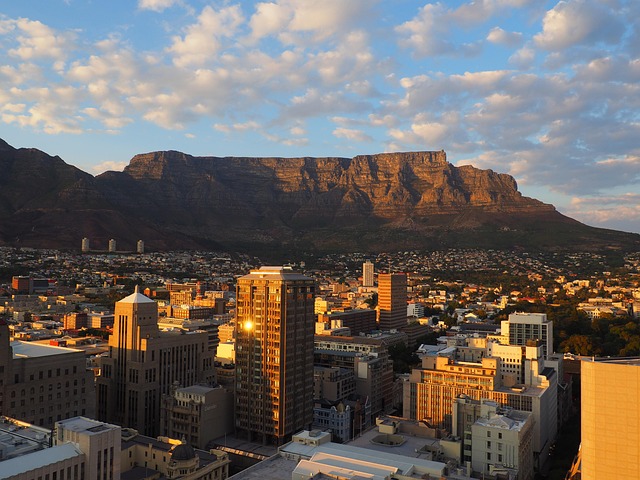
Music and dance are powerful expressions of culture, offering unique insights into the souls of nations. When comparing Australia and South Africa, a fascinating contrast emerges, reflecting their diverse histories and societal structures. The rhythm and beats that resonate in these countries tell stories of resilience, celebration, and community.
Australia, with its democratic ethos, boasts a vibrant music scene that encompasses a wide range of genres, from the indigenous didgeridoo to modern electronic dance music. The country’s diverse cultural makeup is reflected in its festivals, such as the Adelaide Festival of Arts, which celebrates local and international talent, showcasing the nation’s appreciation for the arts. South Africa, on the other hand, has a rich musical heritage deeply intertwined with its struggle for freedom and democracy. Traditional African rhythms merge with Western influences, creating a unique sound that has gained global recognition. The country’s history of apartheid led to the development of powerful genres like kwela and isicathamiya, which not only provided a voice for resistance but also became symbols of cultural pride.
In terms of dance, Australia showcases a blend of contemporary and indigenous forms. The country’s native peoples have rich ceremonial dances that tell ancient stories, while modern Australian ballet and contemporary dance companies have gained international acclaim. South Africa, with its vibrant urban centers, is known for its energetic and diverse dance scene. From traditional African dance to street dance, the nation’s cultural tapestry is expressed through movement. The popular Zulu dance, for instance, has become a symbol of pride and unity, reflecting the country’s complex history and ongoing fight for equality.
A comparative analysis of these two nations reveals interesting parallels in their cultural resilience. Both Australia and South Africa have navigated challenging historical contexts—one with its indigenous struggles and the other with apartheid—and used music and dance as powerful tools for expression and unity. Internationally, collaborations between artists from both countries are increasing, fostering cultural exchange and enhancing global appreciation of these unique artistic traditions. As we explore sustainable urban development, finding us at comparing planning strategies for sustainable cities can offer valuable insights into how these cultural practices might shape the urban landscapes of the future, highlighting the importance of preserving and celebrating diverse cultural expressions, especially in rapidly changing metropolitan areas.
Food as Culture: A Taste of Diversity
Food plays a pivotal role in shaping cultural identity, offering a unique window into the historical and ethnic diversity of any community. When comparing Australia and South Africa, a fascinating contrast emerges in their culinary landscapes, reflecting their distinct pasts and multicultural fabric. This chronological exploration reveals how each nation’s food culture has evolved, influencing not just dining habits but also social well-being.
Australia, with its diverse population stemming from waves of immigration, boasts a vibrant multicultural cuisine. The country’s vast size and various ecosystems have contributed to a rich variety of regional dishes. For instance, the iconic Australian barbecue (or “barbie”) reflects the nation’s outdoor lifestyle and includes a mix of native meats and international influences. Similarly, seafood is prevalent along coastal regions, with indigenous communities preserving traditional fishing methods and recipes. South Africa, too, has a rich culinary heritage shaped by its diverse ethnic groups. From the robust potjiekos (a stew cooked in a three-legged pot) to braais (barbecues), these dishes encapsulate the country’s cultural diversity. The influence of Dutch, French, and British settlers, along with indigenous African flavors, has created a unique South African gastronomic identity.
In terms of multiculturalism, Australia’s diverse communities have embraced various culinary traditions, making it a melting pot of ethnic cuisines. This diversity is celebrated through festivals like the Sydney Food Festival, which showcases the country’s rich culinary tapestry. South Africa also embraces its multicultural heritage, with vibrant markets and restaurants offering a fusion of flavors. The nation’s history of cultural interaction has led to innovative dishes that blend traditional African ingredients with global cooking techniques.
When considering well-being in these nations, healthcare and social services play a crucial role. Both countries prioritize accessible healthcare, but South Africa faces challenges related to socioeconomic disparities. Australia’s robust public health system is renowned for its universal coverage, while South Africa focuses on community-based initiatives to address health issues stemming from ethnic diversity and historical inequalities. Exploring these culinary and cultural nuances can offer valuable insights into the social fabric and well-being of both nations.
Festivals and Celebrations: Shared Joys, Unique Twists
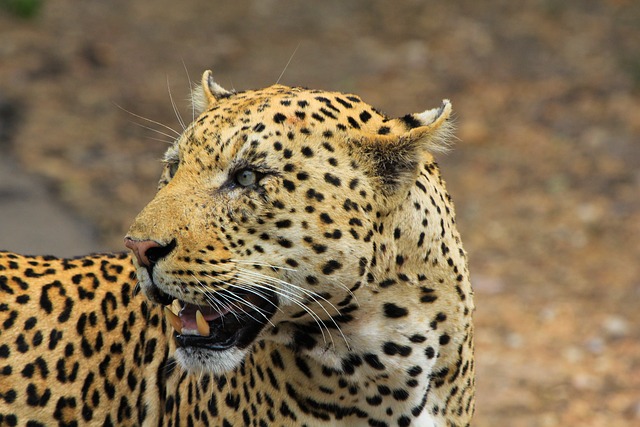
Australian and South African communities celebrate life’s joys with unique cultural practices that reflect their distinct histories and landscapes. While both nations have rich traditions born from their diverse populations, analyzing factors contributing to their economic trajectories—from natural resources to global influences—unveils stark differences that manifest in their festivals and celebrations. Australia, with its vast natural wonders like the Great Barrier Reef and Outback expanses, often celebrates outdoors through events centered around nature’s beauty and wildlife conservation. Conversely, South Africa, adorned with contrasting landscapes from majestic mountains to vast savannas, incorporates themes of historical resilience and cultural diversity into its festivities, celebrating a tapestry of indigenous music, dance, and art that reflects its complex past.
Music and dance play integral roles in these celebrations, offering insights into the nations’ soul. In Australia, indigenous music has seen a renaissance, with modern artists drawing on ancient traditions like didgeridoo playing and boomerangs to create contemporary sounds that resonate globally. South Africa’s cultural rhythms are equally vibrant, from the infectious beats of Kwela to the powerful vocals of Isicathamiya choirs, these musical expressions have been influenced by a mix of African, European, and Asian heritage. Festivals like Australia’s Naidoc Week and South Africa’s National Heritage Day serve as platforms for showcasing this rich artistic heritage, fostering community engagement and pride in each nation’s unique cultural identity.
Explore these contrasting natural wonders—the Great Barrier Reef and Table Mountain—and you’ll find that they, too, become focal points for celebration. Australians embrace their marine ecosystem with events like the Great Barrier Reef Festival, celebrating the reef’s beauty and advocating for its preservation. South Africans, similarly, hold festivals around Table Mountain, showcasing local art, music, and cuisine while highlighting the mountain’s historical and ecological significance. These gatherings not only bring communities together but also educate attendees about the preservation efforts needed to maintain these iconic landmarks for future generations.
Uncovering themes and influences in literature across both nations provides another lens into their cultural distinctions. Australian writers often draw inspiration from the Outback, exploring themes of isolation, resilience, and connection to land. South African literature, on the other hand, delves into the nation’s history of apartheid, resistance, and reconciliation, offering poignant reflections on societal progress. While these literary traditions differ in focus, they both serve as powerful tools for cultural expression and national identity formation, reflecting the unique experiences that shape each country. Ultimately, whether through festivals, music, dance, or literature, exploring these cultural practices reveals the richness and diversity that define Australia vs South Africa naturally, inviting us to appreciate and understand their distinct cultural rhythms and stories.
By delving into the cultural practices of Australia and South Africa, we’ve uncovered a rich tapestry of diversity within each nation. Key insights reveal stark yet fascinating contrasts and shared parallels between these two distant lands. In terms of community traditions, rituals in Australia vs South Africa exhibit unique adaptations to their respective environments and histories. Art and expression showcase distinct visual languages, while music and dance highlight rhythmic connections and divergences across borders. Food as culture reveals diverse culinary landscapes, with each nation contributing its own taste of diversity. Festivals and celebrations demonstrate shared joys but also unique twists, offering a testament to the vibrant, multifaceted cultural identities of both countries. These findings underscore the value of exploring and understanding cultural practices in australia vs south africa, fostering cross-cultural appreciation and knowledge on a global scale.