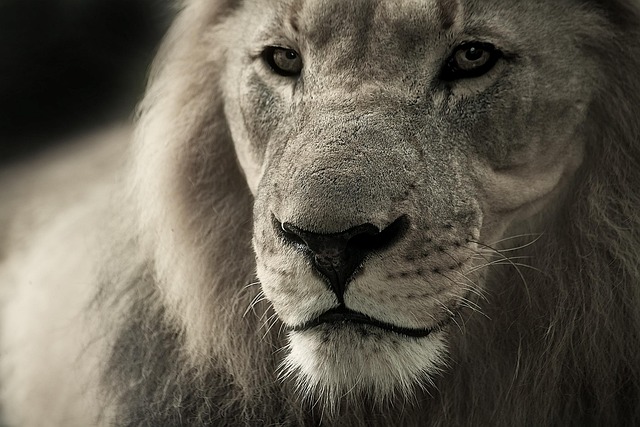
Australia vs South Africa naturally showcase contrasting ecosystems with unique wildlife endemiic to their isolation. Both leverage advanced tech for conservation, with Australia's economy facilitating robust environmental initiatives and South Africa utilizing eco-tourism. Their cultural significance of iconic species is vital for indigenous legacies. Proactive conservation approaches, integrating technology and community engagement, offer valuable insights for global biodiversity preservation. Collaboration ensures species' longevity, with Australia excelling in STEM education while South Africa emphasizes inclusive methods. These nations' distinct journeys provide context-specific strategies to safeguard global diversity.
The world’s diverse wildlife is a breathtaking testament to nature’s creativity, with each country boasting unique species native to its lands. However, the rapid loss of habitats and ecosystems poses a significant threat to these iconic creatures. This article aims to explore and celebrate the remarkable wildlife found in two contrasting nations: Australia and South Africa. By delving into their distinct natural landscapes, we uncover the native species that have adapted to survive, highlighting the delicate balance between these countries’ rich biodiversity and human impacts. Through this comparative study, we gain valuable insights into conservation efforts needed to preserve these invaluable ecosystems for future generations.
- Unveiling Unique Wildlife Treasures: Country-Specific Icons
- Australia vs South Africa: Natural Wonders Compared
- Global Diversity Explored: Conserving Native Species
Unveiling Unique Wildlife Treasures: Country-Specific Icons
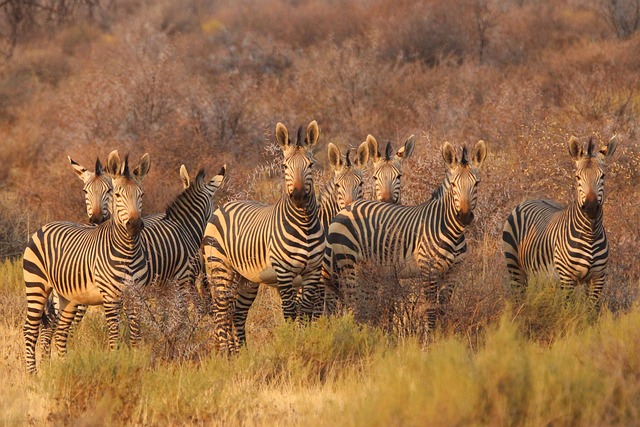
In exploring iconic wildlife species native to each country, Australia and South Africa stand out as geological cousins with distinct yet fascinating ecosystems. Australia boasts unique fauna like kangaroos, koalas, and platypuses—endemic to its vast continent. These creatures are not just symbols of the country’s biodiversity but also reflect its isolation from other landmasses for millions of years, shaping their evolution into specialized forms. South Africa, on the other hand, harbors an array of diverse wildlife, including the iconic African elephant, lions, and rare black rhinos. Their national parks and reserves offer a glimpse into the rich fauna that once roamed across the continent.
A look at emerging technologies and their impact on society reveals how advanced conservation efforts in both nations are aided by innovations like drone surveillance for poaching prevention and GPS tracking to monitor endangered species’ movements. Comparing economic growth rates, Australia’s robust economy has enabled significant investments in wildlife conservation and research, fostering a global leader in environmental stewardship. South Africa, while facing historical economic disparities, has made strides in addressing poverty and inequality through eco-tourism initiatives that benefit local communities while preserving their natural heritage.
Understanding societal fabric through cultural lens geopolitics underscores the importance of these nations’ wildlife as cultural treasures. Both Australia and South Africa have incorporated their unique fauna into indigenous stories, art forms, and cultural practices. For instance, Aboriginal Australians’ connection to country (land) is deeply intertwined with their reverence for kangaroos and emus in ancient myths and ceremonies. Similarly, Zulu communities in South Africa honor the elephant as a symbol of strength and wisdom in their traditional narratives. Preserving these species becomes not just an environmental imperative but also a way to safeguard these invaluable cultural legacies.
Given the context of global biodiversity loss and changing climate patterns, Australia and South Africa’s proactive approaches offer valuable insights for other nations. By harnessing technological advancements while prioritizing community engagement, these countries demonstrate that economic growth and conservation can go hand in hand. Collaboration between researchers, policymakers, and local communities is crucial to ensure that iconic species like the koala and African elephant thrive for generations to come, leaving a lasting legacy for future societies.
Australia vs South Africa: Natural Wonders Compared

Australia and South Africa, two vibrant nations, each boast a unique blend of natural wonders, cultural diversity, and historic legacies that set them apart globally. When comparing these countries, a fascinating contrast emerges, offering insights into their distinct identities. From the iconic wildlife species native to each landmass to their culinary traditions and ethnic heritages, Australia vs South Africa naturally presents a rich tapestry of comparisons.
Wildlife diversity is a cornerstone of these nations’ allure. Australia is renowned for its unique marsupials, such as kangaroos and koalas, which are symbols of the country’s indigenous charm. Conversely, South Africa boasts an extraordinary array of African wildlife, including the ‘Big Five’: lions, leopards, rhinos, elephants, and buffalo, drawing adventurers from around the world. These countries’ ecosystems, shaped by distinct geographical features, foster diverse flora and fauna, making them global hotspots for biodiversity.
Cultural and linguistic diversity further distinguishes these nations. Australia’s multiculturalism embraces a tapestry of ethnic heritages, reflecting its history as a melting pot for immigrants. South Africa, too, is known for its rich cultural tapestry, with 11 official languages, each carrying the weight of the country’s complex history. This linguistic diversity plays a pivotal role in shaping local art, music, and culinary traditions, offering visitors a sensory journey through regional specialties. Additionally, both countries have thriving sports cultures; Australia excels in cricket and rugby, while South Africa is celebrated for its passion for rugby, football (soccer), and athletics, showcasing the diverse athletic passions that unite their citizens.
In terms of educational advancements, Australia and South Africa have made notable strides. Both nations prioritize education, evident in their robust academic systems and technological integrations. For instance, South Africa’s emphasis on inclusive education has led to innovative teaching methods, while Australia’s focus on STEM (science, technology, engineering, and mathematics) education has resulted in global recognition for its educational standards. Exploring these teaching methodologies can provide valuable insights for educators worldwide, as both countries consistently rank among the top performers globally in academic assessments.
Global Diversity Explored: Conserving Native Species

The global landscape of wildlife diversity is a complex tapestry woven with unique threads from each nation’s ecological heritage. When comparing two countries like Australia and South Africa, one notices striking contrasts and shared similarities in their native species and historical journeys. These nations, with their distinct geographic features, have shaped the evolution and conservation efforts for their iconic fauna.
Australia, known for its vast continents and diverse ecosystems, boasts an extraordinary array of unique wildlife. The country’s key historical events, including its isolation from other landmasses, have played a pivotal role in shaping its biodiversity. This isolation allowed for the evolution of numerous endemic species, such as kangaroos and koalas, which are now globally recognized symbols of Australia. However, this same geographical barrier has also posed challenges for conservation efforts, with threats like habitat destruction and climate change impacting vulnerable species. South Africa, on the other hand, presents a different ecological narrative due to its diverse landscapes and varied climates. The country’s rich biodiversity is a result of its geographic location at the intersection of several ecological zones, fostering a wide range of flora and fauna. Historical events, including the fight for freedom from colonial rule, have sparked public awareness and a strong sense of stewardship towards nature in South Africa.
A comparative analysis reveals contrasting approaches to social support and education systems in these nations. Australia’s democratic governance structure encourages community engagement in conservation initiatives, with numerous volunteer-led organizations actively contributing to wildlife protection. In contrast, South Africa’s unique governance model has fostered public policies that emphasize the role of local communities in natural resource management. For instance, community-based conservation programs in both countries have shown success in mitigating human-wildlife conflict and promoting sustainable land use practices. Assessing these public policy approaches highlights the importance of tailored strategies, considering the diverse cultural and ecological contexts.
In light of these insights, it’s crucial to emphasize that global diversity is a precious asset requiring proactive conservation efforts. By learning from each nation’s unique journey—from Australia’s isolation-driven endemism to South Africa’s historical struggles and community engagement—we can develop comprehensive strategies for protecting our planet’s diverse wildlife species. As we navigate the challenges of modern environmental crises, let us draw upon these comparative analyses to forge a sustainable future, ensuring that iconic species native to Australia and South Africa thrive for generations to come.
Through an exploration of iconic wildlife species native to diverse countries, this article has illuminated the profound importance of preserving global biodiversity. The comparison between Australia and South Africa highlights the unique natural wonders that each nation cherishes, underscoring the need for conservation efforts. Key takeaways include the recognition of country-specific icons as cultural treasures and the imperative to protect fragile ecosystems. By understanding the intricate relationships between wildlife and their habitats, we can foster sustainable practices. Moving forward, global collaboration in conservation efforts, inspired by australia vs south africa naturally, is crucial to securing a future where these remarkable species thrive.